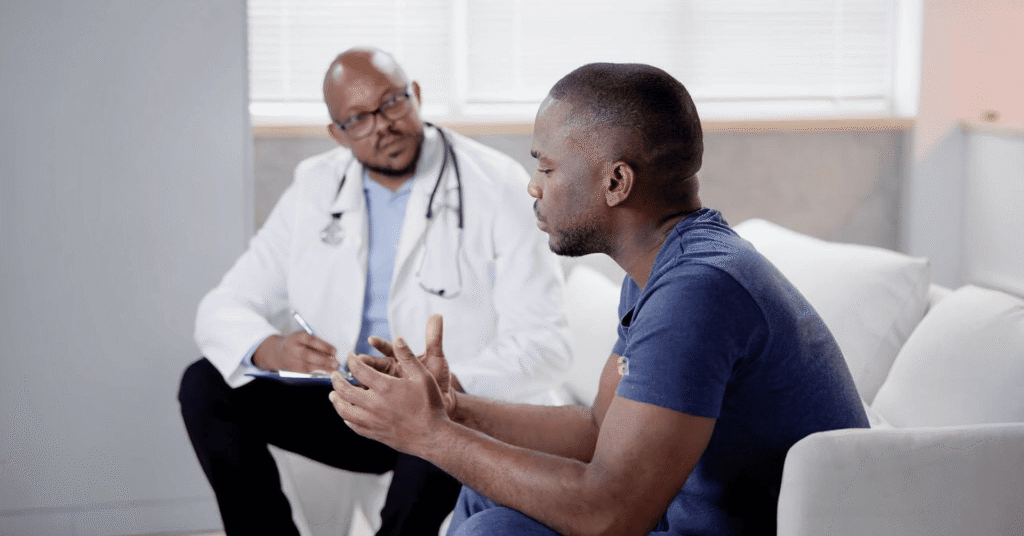
For many Nigerian families, mental illness is spoken about in whispers, if it is spoken about at all. A relative’s depression becomes “stress.” A loved one’s psychosis becomes a “spiritual attack.” Anxiety is dismissed as weakness, and trauma is expected to simply be endured in silence. This culture of silence does not protect families. It isolates them, and it delays the one thing that could actually help: professional care.
Mental Illness Is Not a Character Flaw
The first and most important truth to understand is that mental health conditions are medical conditions, not moral failures or signs of weak faith. Depression, anxiety disorders, bipolar disorder, and psychosis involve real, measurable changes in brain chemistry and function, and like any other medical condition, they respond to proper treatment.
What Mental Health Rehabilitation Actually Involves
Rehabilitation for mental health conditions is not simply medication and a hospital stay. At its best, it is a coordinated effort involving neuropsychiatrists, mental health nurses, and clinical psychologists, working together to stabilize a client medically while also addressing the emotional and social factors behind their condition. Structured routines, individual and group psychotherapy, and family involvement all play a role in helping a person not just recover, but rebuild a full, functioning life.
Why Stigma Is So Dangerous
When families delay seeking mental health treatment out of fear or shame, conditions that could have been managed early often worsen into crises. Stigma does not protect a family’s reputation. It costs a person their chance at early, effective care, and in the most serious cases, it costs lives.
Recovery Restores More Than Health
One of the most important, and often overlooked, goals of mental health rehabilitation is restoring a person’s sense of dignity and belonging. Recovery is not just about symptom management. It is about helping someone reclaim their relationships, their work, and their place in their family and community, without shame attached to their journey.
How Elpida Approaches Mental Health With Compassion
At Elpida, our Mental Health Rehabilitation program is built on the belief that every client deserves care that treats them as a whole person, not a diagnosis. Our multidisciplinary team works within a safe, stigma-free environment in Port Harcourt, creating individualized treatment plans and involving families as partners in the recovery process, because we believe healing happens best in community, not isolation.
If you or someone you love is struggling in silence, please know that reaching out is not weakness. It is courage. Contact Elpida today to speak confidentially with our clinical team and take the first step toward real, lasting recovery.