

There is a common misconception about rehabilitation, one that can quietly set families up for heartbreak. It is the belief that once detox is complete, or once a client leaves a treatment facility, recovery is finished. In reality, that moment is not the end of the journey. It is the beginning of the hardest and most important part.
Why Relapse Often Has Nothing to Do With Willpower
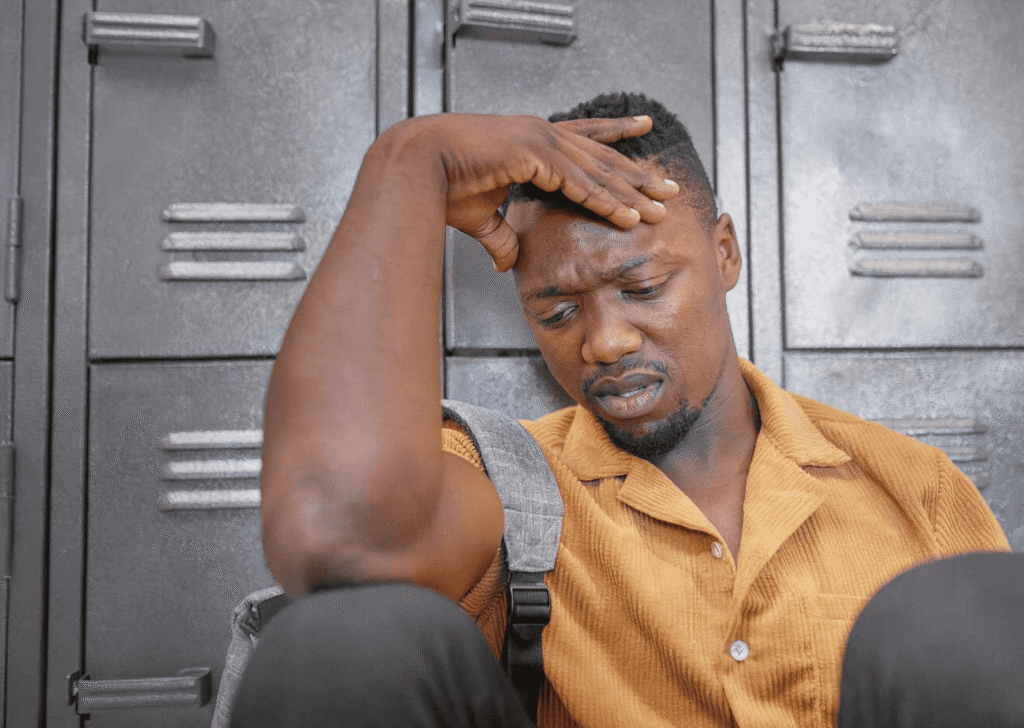
Families are often blindsided when a loved one relapses after seemingly successful treatment, and they blame themselves, or the client, for not trying hard enough. But relapse is rarely about willpower. It is usually about what happens after treatment ends: a return to the same environment, the same stressors, and the same lack of structure that contributed to the original struggle in the first place.
This is precisely why aftercare and community rehabilitation matter as much as the initial treatment itself.
What Real Aftercare Looks Like
Genuine rehabilitation support does not stop at the clinic door. It should include continued family counseling to rebuild trust and communication, community reintegration support that helps clients navigate real-world triggers and relationships, and where needed, structured opportunities like sheltered employment that rebuild routine and self-worth gradually, rather than expecting a client to manage independence overnight.
The Family’s Role Is Not Optional
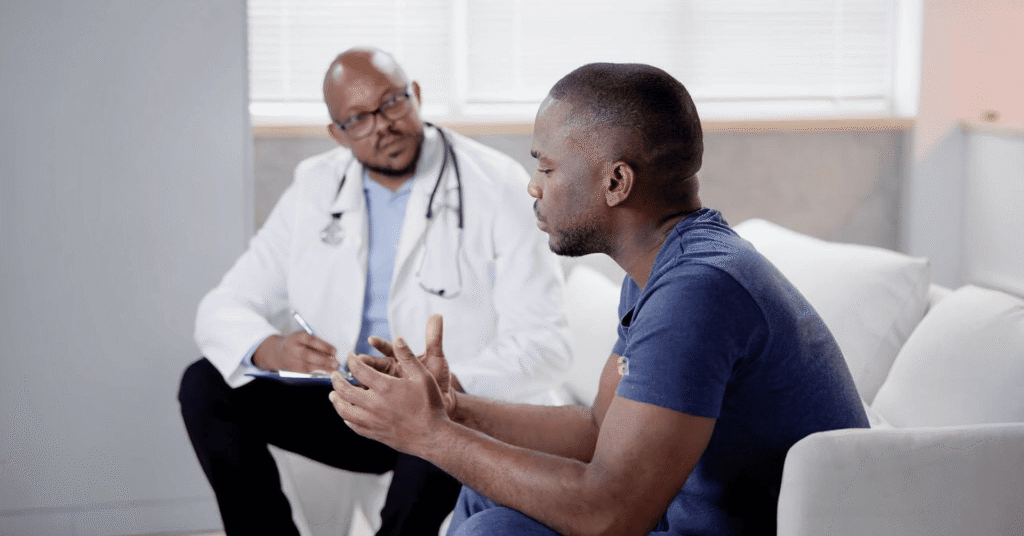
One of the most overlooked truths about recovery is that it is rarely a solo journey. Families need education too, on how to support a loved one without enabling harmful patterns, how to recognize early warning signs, and how to communicate in ways that strengthen rather than strain the relationship. A rehabilitation centre that involves families in this way is investing in outcomes that actually last.
Community Matters More Than People Realize
Isolation is one of the strongest predictors of relapse, whether the underlying struggle was addiction, mental illness, or recovery from a major medical event. Reconnecting clients to community, whether through religious life, social groups, or simply restored family relationships, is often what carries a person through the moments when treatment alone cannot.
How Elpida Supports Life After Treatment
At Elpida, our Community Rehabilitation program was designed precisely for this stage of the journey. We work closely with clients and their families long after initial treatment, through home visits, family education, and coordination with community structures across Port Harcourt, to ensure that progress made in the clinic becomes progress that lasts a lifetime.
If your family is navigating what comes after treatment, we are here to help build a plan for lasting recovery, not just short-term stability. Reach out to Elpida today to learn more about our community rehabilitation support.



Comments
annabrown
Good Blog!
cmsmasters
Thanks.
Assumpta Nwaigbo
Can i have online consultation?
Elpida Rehab
Good morning. Yes, you can. please send us a WhatsApp message:07041232675, and a member of our team will reach out to you.